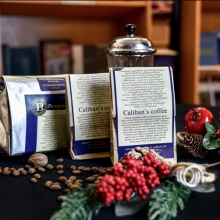
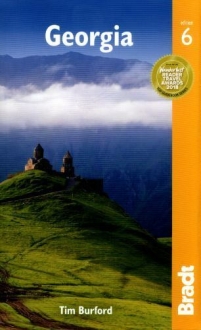
Prospero’s Books has the biggest international presence in bookselling in the Caucasus region. Just about every significant international writer visiting the country will have a coffee in its cafe – many enjoying launches there. The Bookseller published a full page article on its creation in 2000 ‘Bookshop at the Ends of the Earth” and also in 2019. Andy McNab mentioned it by name in his thriller set in Georgia ‘Aggressor.’ It is one of the longest surviving businesses on Rustaveli Avenue. It is the first port of call for many travellers and intellectuals arriving in Tbilisi. First to roast and grind its own coffee…
Prospero’s Books’ mission is to create the environment for the local and expatriate customers to experience the best quality services and products. We strive to be valuable resources to our customers and help them to benefit from each buy. Our goal is to run the long term-oriented business to the profitable results for the future expansion. Our values are the ethics to conduct the business in professional manner and with such extent that will able our team to grow, allow mistakes and learn how to innovate from them. We see our strength in development of the business environment. And while being highly competitive we value honesty and flexibility to the accomplishments and leading to the success
Besides the books, Prospero`s Books also offers Gifts & stationary and other services like, PBY Membership, Children’s reading Hour, Internet on the site. In the coffeehouse you can sit down, relax and enjoy a specialty fresh roasted coffee and tea drinks, sandwiches, salads and pastries. You are welcome to purchase coffee and tea by weight. Prospero’s coffee is blended and roasted freshly every week.